Political Analysis
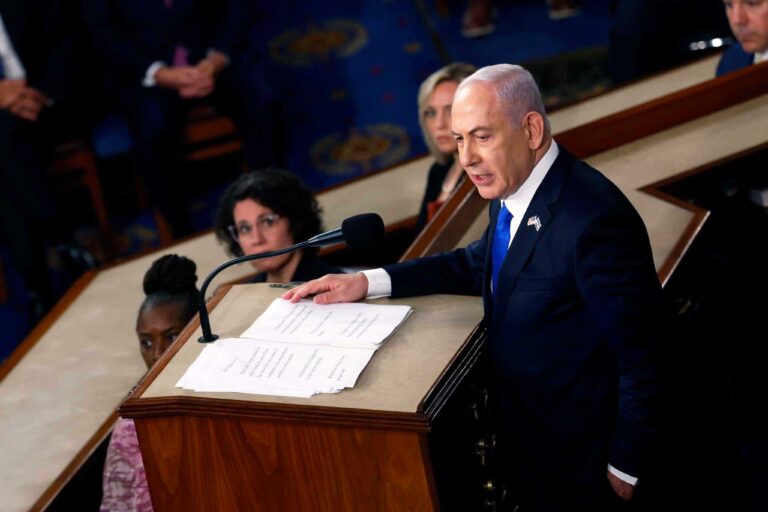
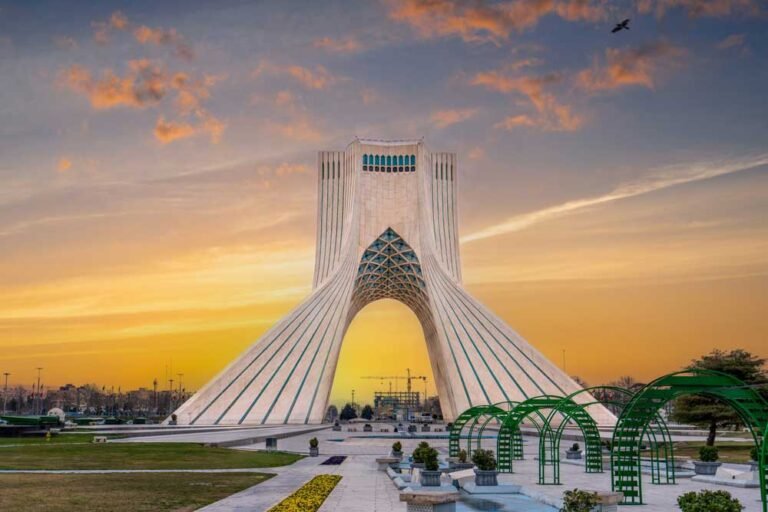
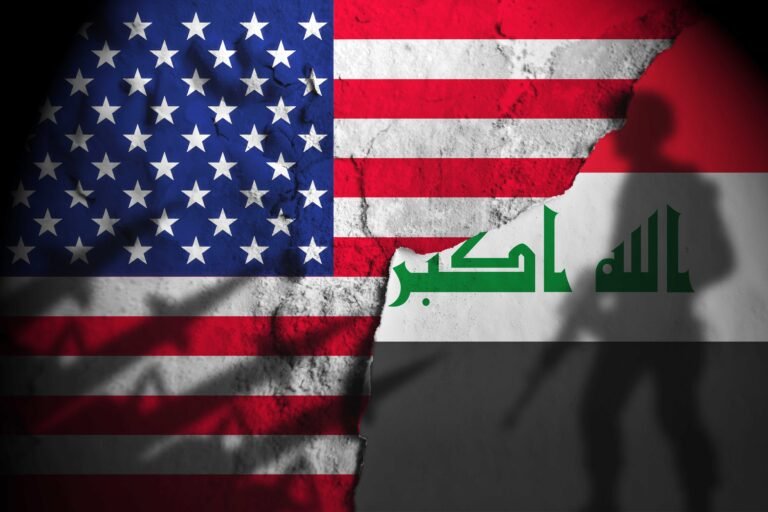
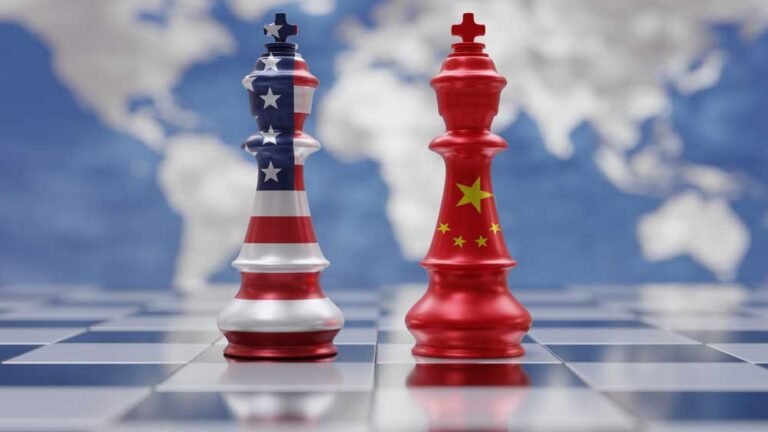
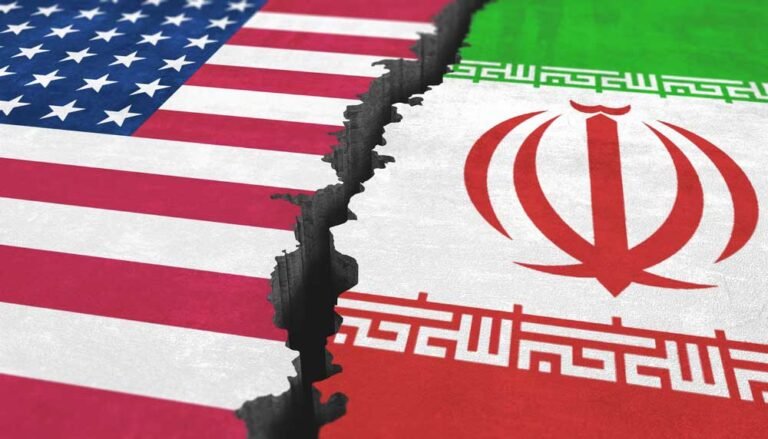
Beyond the Battlefield: The U.S. and Iran Contest for Narrative Dominance
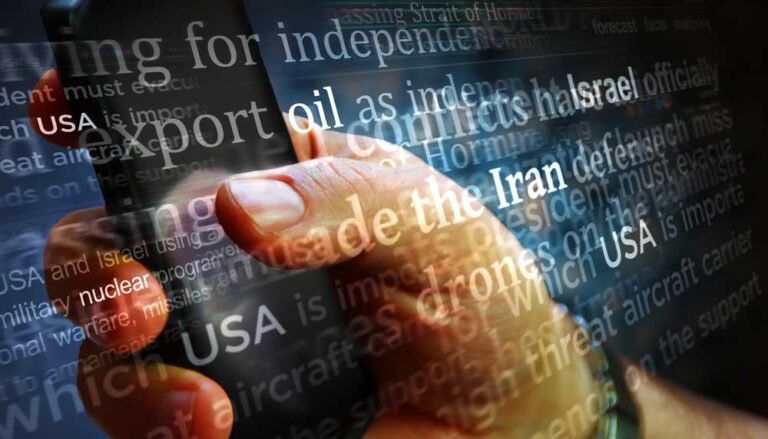
The US and Iran deploy contrasting digital propaganda strategies, using AI, popular culture and social media to shape wartime narratives.
The US and Iran deploy contrasting digital propaganda strategies, using AI, popular culture and social media to shape wartime narratives.
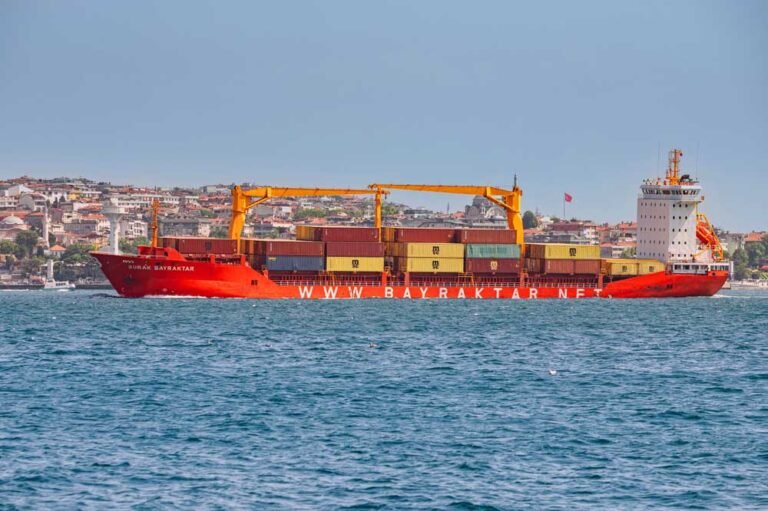
Turkey-Israel trade was marked by persistent asymmetry, which deepened after 2014 and shaped the consequences of the 2024 embargo.
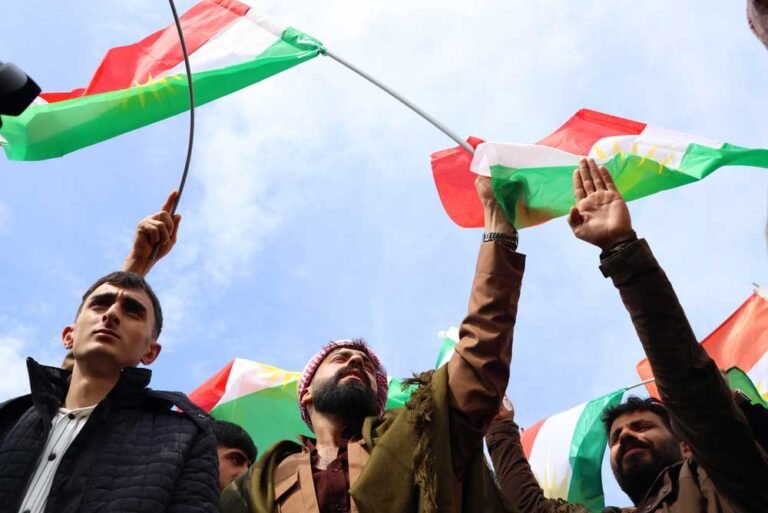
Turkey’s new Framework Law seeks to disarm the PKK and advance Kurdish reconciliation, with implications for domestic and regional politics.
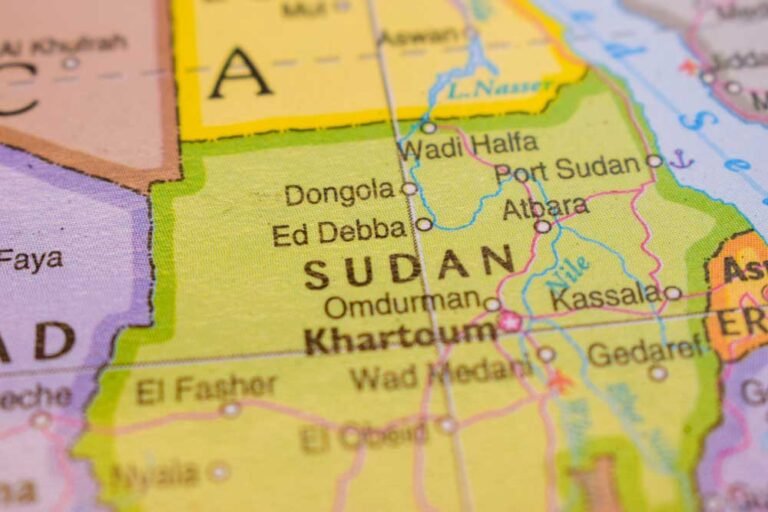
Sudan’s war is reviving Muslim Brotherhood-linked networks, exposing their influence in the military and the risks of renewed Islamist extremism.
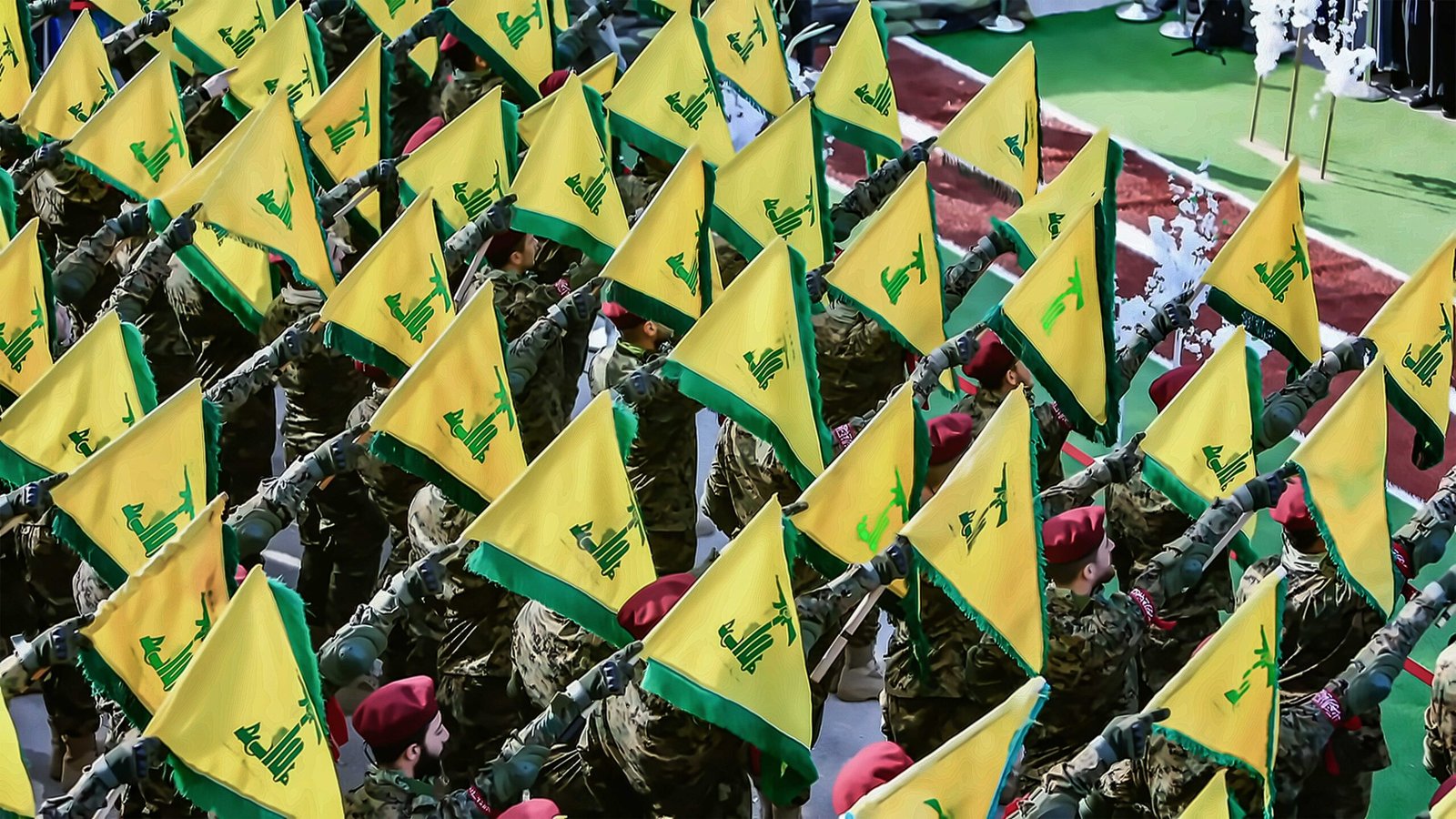
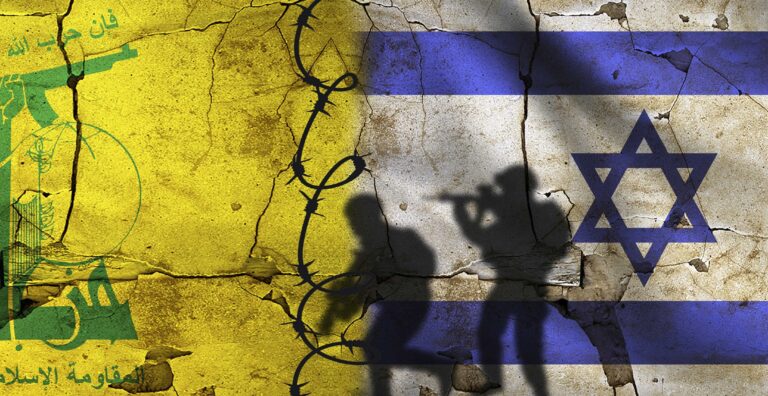
Lebanon’s sectarian map obscures Hezbollah’s command and logistics networks, complicating disarmament as enforcement moves north.

Qatar’s Gaza role shrinks as Israel pushes back, Hamas shifts towards Turkey and Egypt, and Doha takes a narrower role in mediation and reconstruction efforts.
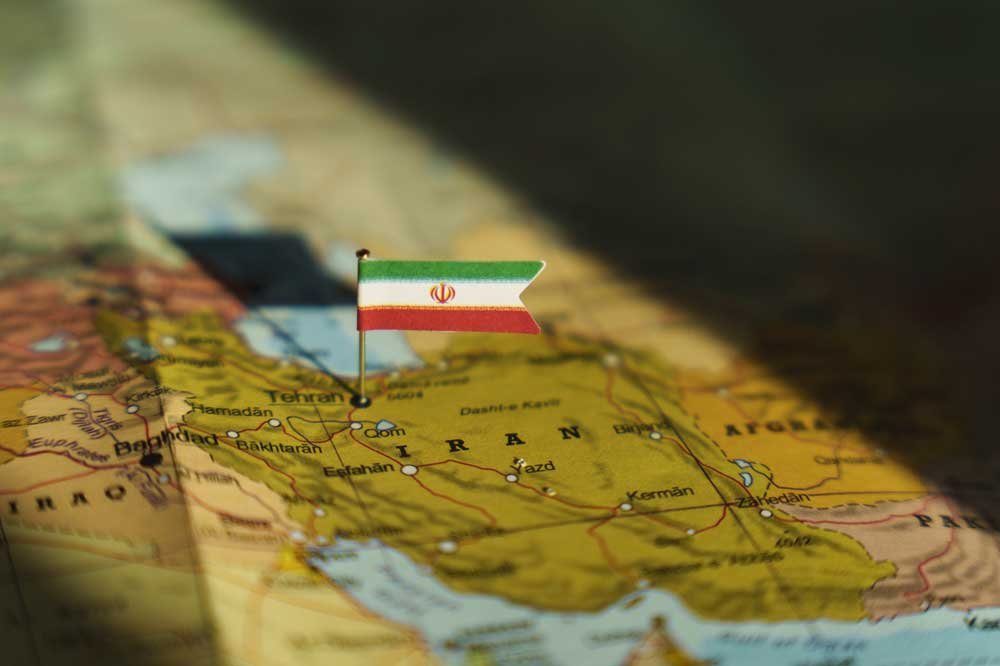
Can military force stop Iran’s nuclear ambitions? History shows why strikes may delay proliferation but rarely eliminate nuclear capability for good.
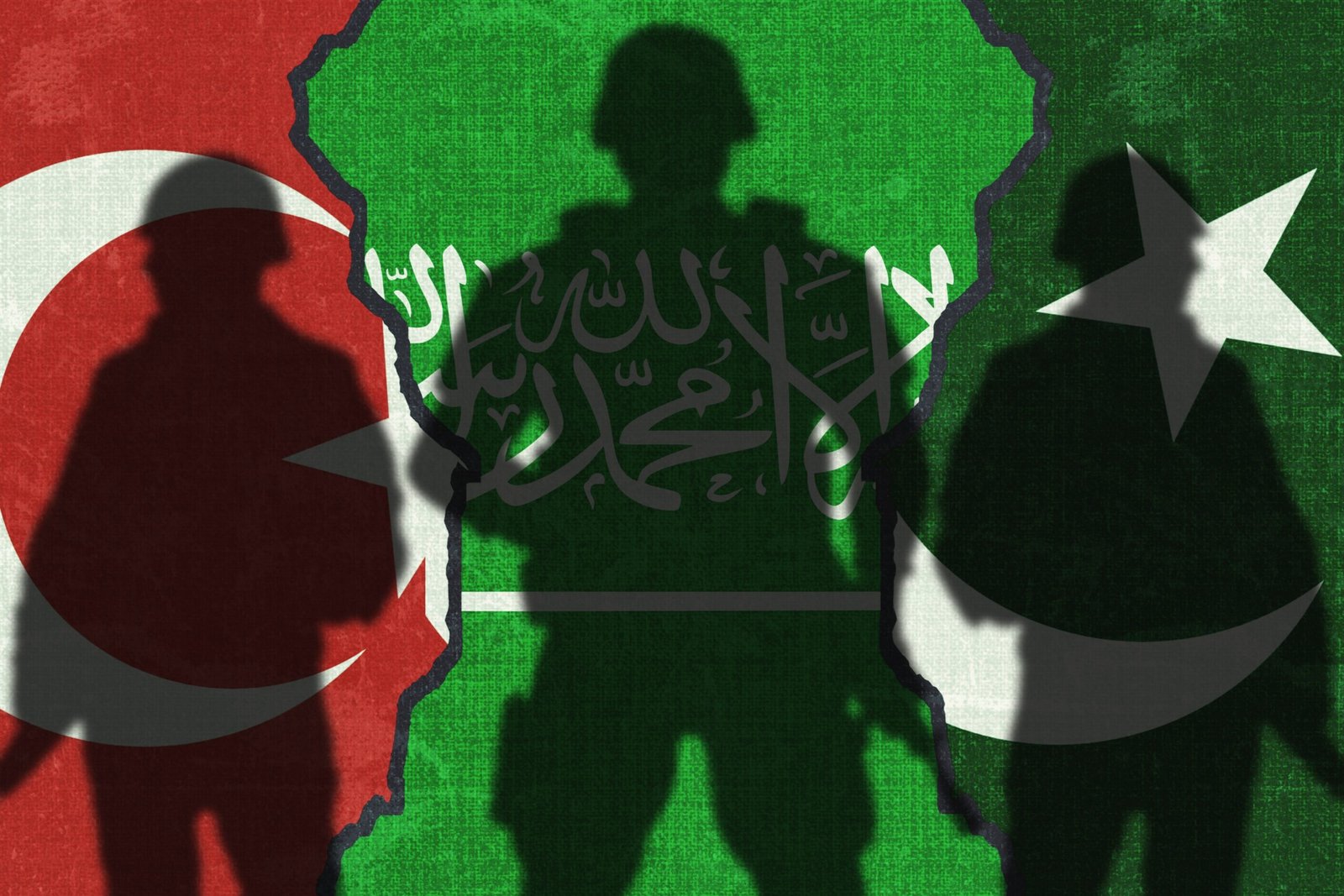
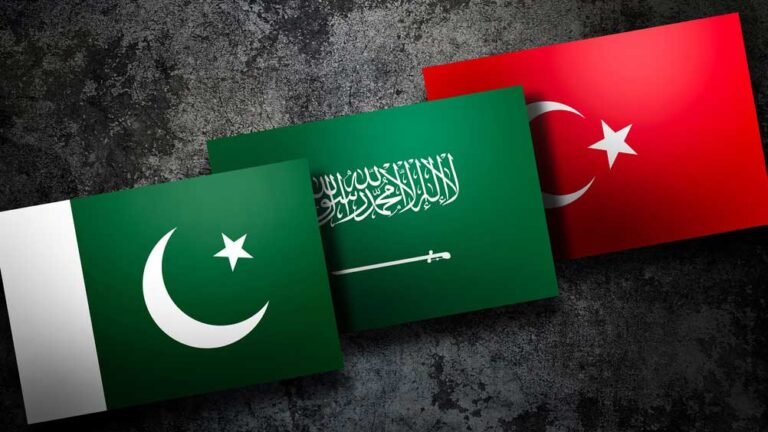
The Makkah Pact signals a shift in Middle East security as Saudi Arabia, Türkiye and Pakistan hedge risks, deepen defence ties and diversify their partnerships.
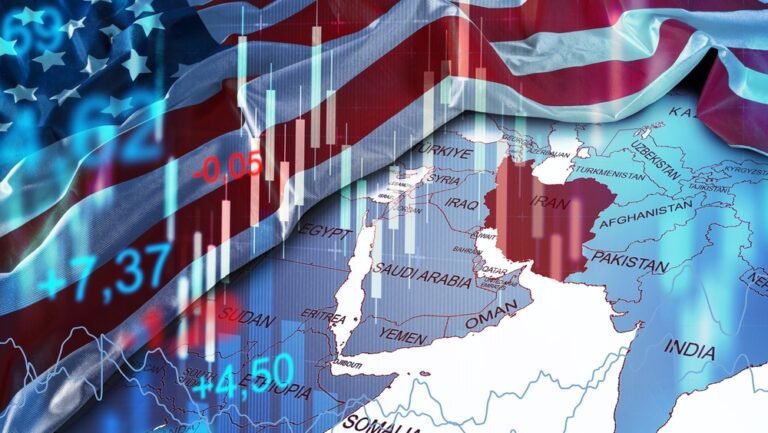
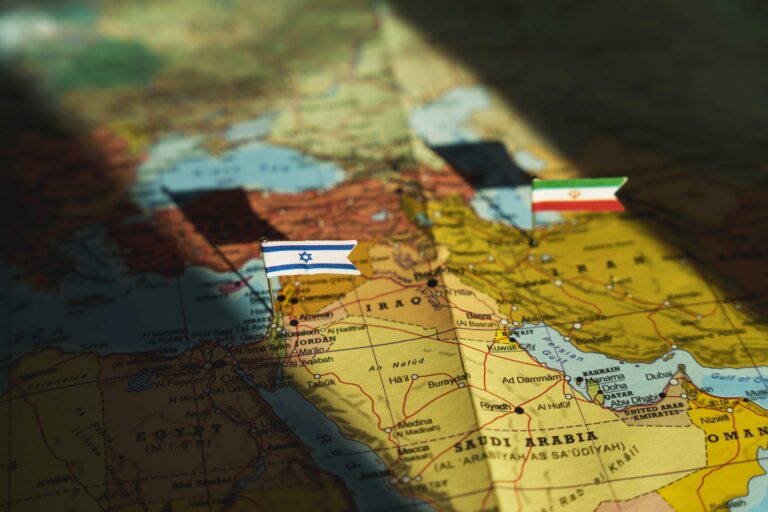
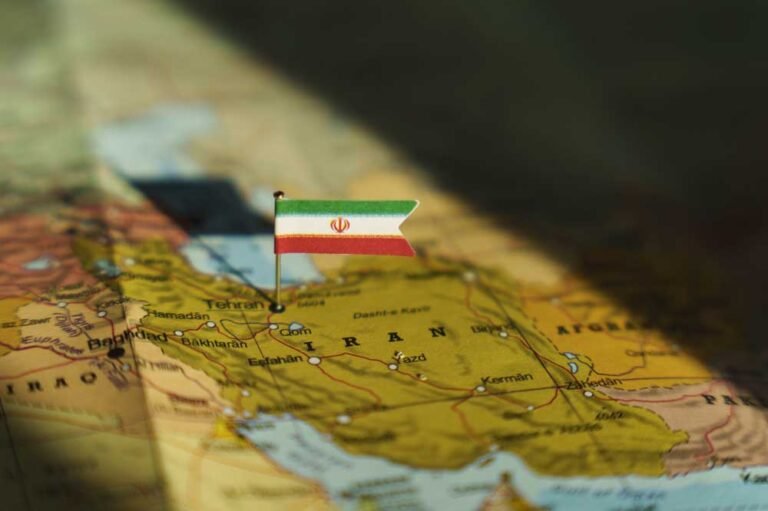
Iran’s future depends on a shift from confrontation to prosperity through diplomacy, economic reform, regional coexistence and credible security guarantees now.
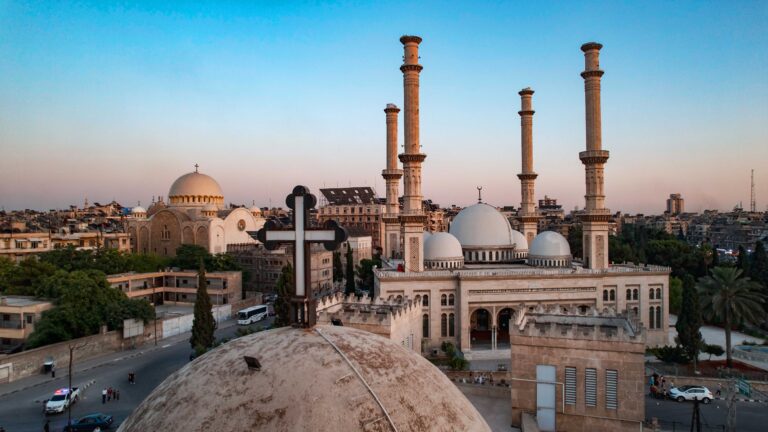
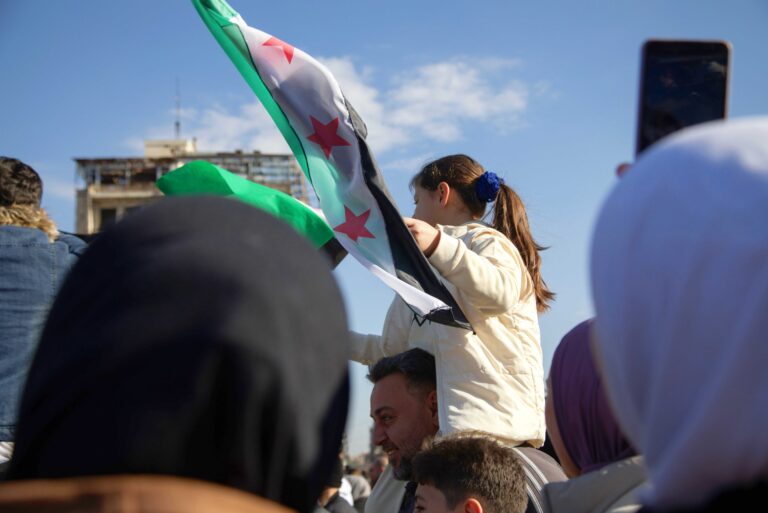
For the first time in almost six decades, intellectuals are engaged in an open conversation about their state, society, and shared future in Syria.
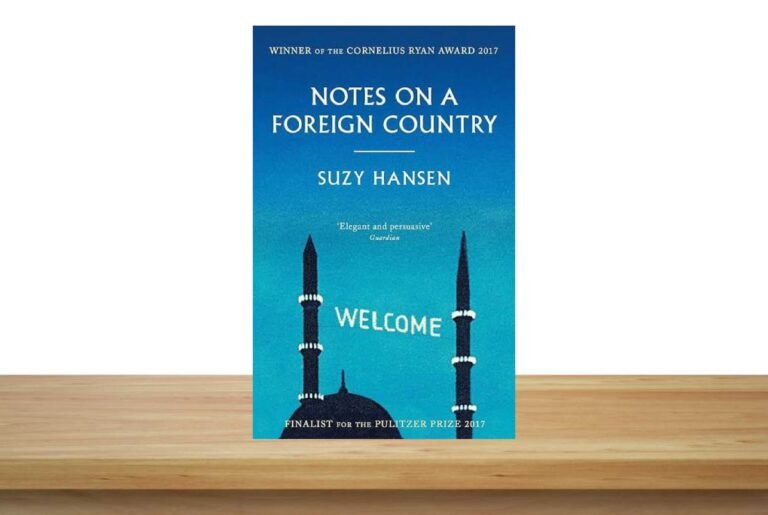
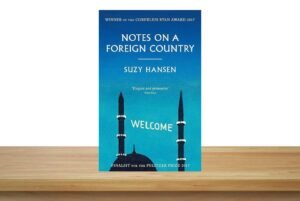
A review of Suzy Hansen’s Notes on a Foreign Country, exploring America’s influence abroad, Turkey, the Cold War and James Baldwin.
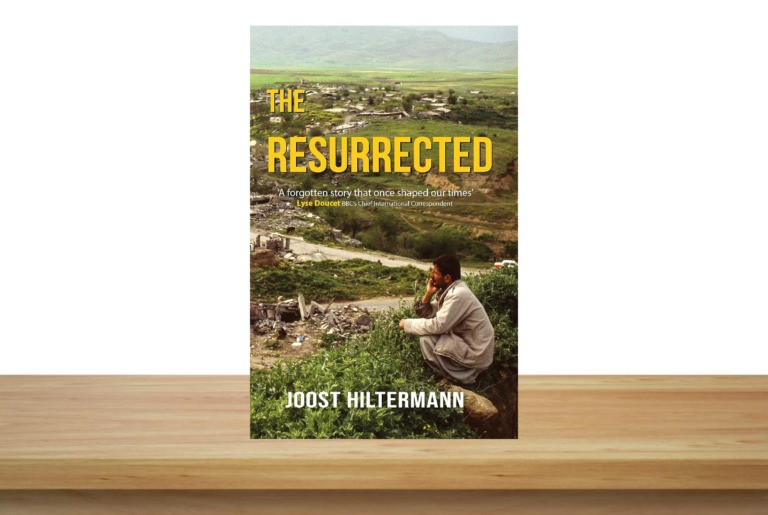
An interview with Joost Hiltermann on The Resurrected, the Anfal genocide, Kurdish survivors, and fiction’s power to bear witness.